


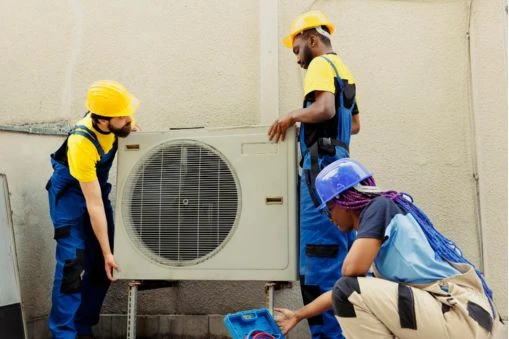
Investing in a new air conditioner is an important decision for any homeowner. The right cooling system can improve indoor comfort, support energy efficiency, and help reduce unnecessary maintenance expenses over time. However, finding the best AC Installation deal involves more than choosing the lowest advertised price. Equipment quality, proper sizing, installation requirements, warranty coverage, and long-term operating costs all influence the overall value of your investment.
For homeowners in Austin, Texas, where summers bring prolonged periods of intense heat, choosing a properly installed air conditioning system is especially important. Whether you’re replacing an aging unit or installing cooling equipment in a new home, understanding what to look for can help you make a confident purchasing decision.
AC Installation: Look Beyond the Lowest Price
An attractive installation offer can help reduce upfront expenses, but the lowest quote isn’t always the best deal. Some estimates may cover only the equipment and basic installation labor, while others include additional services such as ductwork modifications, electrical adjustments, thermostat setup, and system testing.
Before comparing prices, make sure you understand exactly what each contractor includes. A professional AC Installation should prioritize proper equipment selection, safe installation practices, and reliable cooling performance. Choosing a system based solely on its initial price may lead to additional expenses if essential installation work is excluded.
When reviewing estimates, consider the complete cost of the project, including equipment, labor, applicable permits, warranty coverage, and any necessary modifications.
AC Installation Austin: What Should Be Included in a Quality Installation?
A professional AC Installation Austin service involves more than simply replacing an outdoor air conditioning unit. The installation process should account for your home’s cooling requirements, existing equipment, airflow, and electrical compatibility. Depending on the project, a comprehensive installation may include:
- Cooling load assessment: Evaluating the home’s cooling requirements, typically using an industry-recognized calculation such as Manual J.
- Equipment selection: Choosing appropriately sized and compatible indoor and outdoor components.
- Existing ductwork inspection: Checking airflow, duct condition, and potential leakage.
- Electrical evaluation: Confirming that electrical connections and components meet equipment requirements.
- Refrigerant system setup: Following manufacturer specifications for refrigerant connections, evacuation, and charging.
- Thermostat configuration: Installing or configuring compatible controls.
- Condensate drainage inspection: Verifying that moisture can drain properly.
- Airflow and performance testing: Confirming that the installed system operates as intended.
- Warranty documentation: Explaining manufacturer warranty requirements and any applicable registration procedures.
The exact scope depends on whether you’re replacing an existing system, upgrading equipment, or installing air conditioning in a newly constructed home. Ask your contractor for a detailed written estimate explaining which services are included and whether additional work may be required.
HVAC Installation Austin: Choose the Right System for Your Home
Selecting the right cooling equipment is one of the most important parts of a successful HVAC Installation Austin project. An air conditioner should be matched to your home’s cooling requirements rather than selected solely by brand, price, or advertised capacity.
Understand SEER2 Energy Efficiency Ratings
SEER2, or Seasonal Energy Efficiency Ratio 2, is a standardized measure of an air conditioner’s seasonal cooling efficiency. Generally, systems with higher SEER2 ratings provide greater efficiency under standardized testing conditions. For Austin homeowners, where air conditioners may operate frequently throughout the warmer months, energy efficiency can be an important purchasing consideration. However, a higher SEER2 rating doesn’t automatically guarantee lower electricity bills.
Actual energy consumption depends on several factors, including:
- Equipment sizing and installation quality
- Home insulation and air leakage
- Ductwork condition
- Thermostat settings
- Household cooling habits
- Outdoor temperatures and cooling demand
Ask your HVAC contractor to explain the efficiency differences between available systems and whether a higher-efficiency model offers reasonable long-term value for your home.
Avoid Oversized or Undersized Equipment
A larger air conditioner isn’t necessarily a better air conditioner. An oversized system may cool the air quickly but cycle on and off too frequently, potentially affecting humidity control and indoor comfort. An undersized system may struggle to maintain your preferred temperature during extreme summer heat. A qualified installer should assess factors such as your home’s square footage, insulation, window placement, orientation, and cooling requirements before recommending equipment. Proper sizing helps support consistent cooling, effective humidity management, and reliable system operation.
Compare Cooling Technology and Features
Modern air conditioning systems offer different operating technologies.
- Single-stage systems typically operate at one cooling output when running.
- Two-stage systems can operate at different cooling levels, allowing greater flexibility under varying conditions.
- Variable-speed systems can adjust their operation more gradually to match changing cooling demands, potentially improving temperature consistency and comfort.
The right option depends on your budget, home requirements, and preferred comfort features.
Austin AC Installation: Questions to Ask Before Signing a Contract
Before committing to an Austin AC Installation, ask your contractor questions that help clarify equipment selection, installation quality, and total project costs.
- How will you determine the correct AC size for my home? Ask whether a cooling load calculation will be performed.
- What equipment is included in the estimate? Request the model numbers, capacity, efficiency ratings, and included components.
- Is the proposed system ENERGY STAR certified? If energy efficiency is a priority, ask whether qualifying certified models are available.
- Will my existing ductwork be inspected? Find out whether repairs, sealing, or airflow improvements may be recommended.
- Are permits and inspections included where required? Confirm who is responsible for obtaining applicable permits and coordinating inspections.
- What warranties are provided? Review manufacturer equipment coverage, labor warranties, exclusions, and registration requirements.
- Are financing options or current promotions available? Ask about eligibility, financing terms, and any applicable manufacturer or utility incentives.
- What happens after installation? Confirm that system testing, thermostat setup, and an explanation of basic maintenance requirements are included.
These questions can help you compare proposals more accurately and reduce the likelihood of unexpected expenses.
How to Evaluate AC Installation Deals Without Sacrificing Quality
Promotional pricing can be appealing, particularly when you’re planning a replacement during the off-season. Spring and fall may provide greater scheduling flexibility, and some manufacturers or contractors occasionally offer seasonal incentives. However, discounts aren’t guaranteed, and the best time to install a new system depends on your existing equipment’s condition and your household’s needs.
When comparing installation deals, consider the following factors.
1. Compare Complete Installation Estimates
Request itemized quotes that clearly explain equipment, labor, materials, and additional services. A lower advertised price may exclude necessary work that increases the final project cost.
2. Evaluate Long-Term Operating Costs
Consider equipment efficiency alongside the purchase price. A higher-efficiency system may cost more initially but could reduce cooling-related electricity consumption compared with a less-efficient model. Potential savings depend on your home’s characteristics, system performance, and usage.
3. Review Warranty Coverage
Understand which components are covered, how long coverage lasts, and whether labor is included. Ask about registration requirements and maintenance conditions that may affect warranty coverage.
4. Check Contractor Qualifications
Choose a contractor with appropriate licensing, relevant installation experience, and a clear process for equipment selection and testing. Customer reviews and detailed written estimates can also help you evaluate service quality.
5. Confirm Available Promotions
Ask whether any manufacturer rebates, utility incentives, or financing programs currently apply to your proposed equipment. Review the eligibility requirements and terms before making a purchasing decision. A good installation deal should balance upfront affordability with equipment suitability, professional workmanship, and long-term reliability.
Why Choosing the Right HVAC Installation Company Matters
Selecting an experienced HVAC Installation Company is just as important as choosing the air conditioner itself. Even high-efficiency equipment may perform poorly if installed incorrectly. Common installation problems can include improper refrigerant charging, inadequate airflow, mismatched equipment, incorrect sizing, and drainage issues.
These problems may affect cooling performance, increase energy consumption, or contribute to premature component wear. A qualified installation team should follow manufacturer requirements, verify system operation, and explain any additional work necessary to support reliable performance. If you’re comparing HVAC Installation Austin TX providers, look for clear communication, detailed estimates, appropriate qualifications, and a commitment to proper installation procedures.
Why Choose The Coolest for AC Installation in Austin?
At The Coolest, we help Austin homeowners explore air conditioning installation and replacement options based on their cooling needs. Whether you’re upgrading an aging system or considering a more energy-efficient air conditioner, choosing properly sized equipment and arranging professional installation are important steps toward dependable home comfort. Our team can help you discuss available equipment options, understand installation requirements, and request an estimate for your project. We focus on helping homeowners make informed decisions about their cooling systems rather than simply choosing equipment based on the lowest advertised price.
Schedule Your AC Installation Before the Next Texas Heatwave
Finding the right AC Installation deal means looking beyond promotional pricing. Equipment efficiency, proper sizing, installation quality, warranty coverage, and contractor experience all contribute to the long-term value of your investment. Planning ahead can give you more time to compare options, understand costs, and arrange installation before peak cooling demand. If your current air conditioner is struggling to keep your Austin home comfortable, it may be time to explore an upgrade.
Contact The Coolest today to discuss your AC installation needs and request an estimate for your home.
FAQs:
Q. When is the best time to schedule AC installation?
A. Spring and fall can be convenient times to schedule AC installation because HVAC contractors may have greater scheduling flexibility outside peak cooling demand. Some manufacturers may also offer seasonal promotions. However, if your existing air conditioner is failing, it’s better to address the problem promptly rather than wait for a particular season.
Q. How long does a new AC installation take?
A. Installation time depends on the type of system, existing equipment, and project requirements. A straightforward replacement may be completed within a day, while installations involving ductwork modifications, electrical upgrades, or additional equipment may require more time. Your contractor should provide an estimated timeline after evaluating the project.
Q. What SEER2 rating should I choose?
A. The appropriate SEER2 rating depends on your budget, cooling requirements, local climate, and expected energy consumption. Higher ratings generally indicate greater seasonal cooling efficiency, but the additional upfront cost should be weighed against potential operating savings. A qualified HVAC contractor can help you compare available options.
Q. Should ductwork be replaced during AC installation?
A. Not necessarily. Existing ductwork may be suitable for a new air conditioning system if it is properly sized, in good condition, and capable of delivering adequate airflow. However, leaks, damage, restrictions, or compatibility issues may require repairs or modifications. A professional inspection can help determine whether ductwork improvements are necessary.
Q. Are off-season AC installation deals always cheaper?
A. No. Some contractors or manufacturers may offer seasonal incentives, but discounts aren’t guaranteed. Equipment availability, installation complexity, and individual project requirements can influence pricing. Comparing complete written estimates is a better way to evaluate value than relying on advertised discounts alone.