


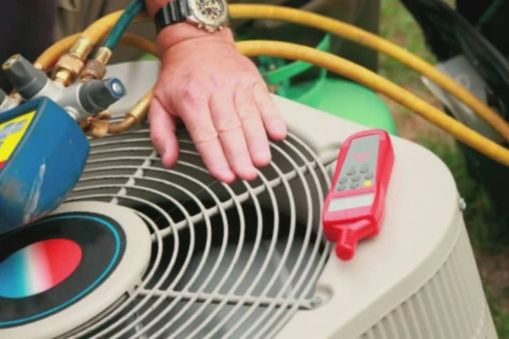
Replacing your air conditioner doesn’t have to be a last-minute decision during a Texas heatwave. Planning an AC replacement during the off-season gives Austin homeowners more time to explore equipment options, compare installation estimates, and prepare for the next cooling season without the pressure of an unexpected breakdown. If your current AC struggled through the summer, needed frequent repairs, or caused unusually high energy bills, fall and winter can be practical times to evaluate your replacement options.
Here are seven benefits of planning your next Austin AC replacement before peak summer demand.
1. More Opportunities to Compare Pricing and Seasonal Offers
One potential advantage of off-season AC replacement is having more time to compare pricing and available incentives. During periods of lower installation demand, some HVAC contractors or manufacturers may offer seasonal promotions on qualifying equipment. However, discounts aren’t guaranteed, and prices can vary based on system availability, equipment specifications, and installation requirements.
Rather than assuming off-season installation will automatically cost less, request detailed estimates and ask whether any current manufacturer or utility incentives apply. The biggest advantage is being able to compare your options without rushing into a purchase because your AC has stopped working.
2. Greater Scheduling Flexibility for HVAC Replacement Austin TX
Scheduling HVAC replacement Austin TX during a less demanding period may provide more flexibility when choosing an installation date. During extreme summer temperatures, HVAC companies often receive increased requests for urgent cooling repairs and replacements. Planning ahead may allow more time to discuss equipment options, review installation requirements, and arrange service around your household schedule.
For homeowners considering HVAC replacement Austin, this flexibility can make the entire process more manageable.
3. More Time to Compare Energy-Efficient AC Systems
A planned replacement gives you the opportunity to evaluate different cooling systems instead of selecting whichever unit is immediately available. Modern air conditioners offer a range of efficiency ratings, cooling capacities, and operating features. SEER2, or Seasonal Energy Efficiency Ratio 2, is an efficiency rating used to compare air conditioning systems under standardized testing conditions. A higher SEER2 rating generally indicates greater seasonal cooling efficiency.
However, actual energy savings depend on factors such as equipment sizing, installation quality, thermostat settings, home insulation, and cooling habits. When planning an Austin HVAC replacement, ask your contractor to explain the differences between single-stage, two-stage, and variable-speed systems, along with their potential benefits for comfort and efficiency.
The right choice should reflect your home’s cooling needs and budget rather than simply the highest available efficiency rating.
4. Avoid Emergency Breakdowns and Rushed Decisions
An aging air conditioner may continue working while showing signs that its performance is declining.
Common warning signs include:
- Frequent repairs or recurring breakdowns
- Weak or inconsistent airflow
- Unusual noises during operation
- Increasing electricity usage
- Uneven cooling between rooms
- Difficulty maintaining the thermostat setting
These symptoms don’t automatically mean replacement is necessary, but they are good reasons to schedule a professional evaluation. Planning your AC replacement before a complete breakdown gives you time to compare repair and replacement costs, understand your options, and make a decision based on the condition of your equipment.
It can also reduce the risk of having to arrange an urgent replacement during Austin’s hottest weather.
5. Prepare Your Home for the Next Texas Summer
Installing a new air conditioner before peak cooling season gives homeowners an opportunity to evaluate its performance before temperatures reach their highest levels. A properly sized and professionally installed system can support consistent indoor temperatures, dependable airflow, and improved cooling efficiency compared with an older system that is no longer performing effectively. Early installation also gives you time to become familiar with thermostat settings, understand system operation, and address any concerns discovered during initial use.
For Austin homeowners, preparing before the next extended period of hot weather can make the transition to a new cooling system less stressful.
6. Evaluate Ductwork and System Sizing Before Installation
Replacing your air conditioner is also an opportunity to assess other parts of your home’s cooling system. Problems such as leaking ductwork, restricted airflow, inadequate insulation, and improper equipment sizing can affect cooling performance even when the air conditioner itself is new.
A professional HVAC replacement service should evaluate the home’s cooling requirements before recommending equipment.
This may include reviewing:
- Home size and layout
- Insulation and window characteristics
- Existing ductwork and airflow
- Current cooling performance
- Equipment capacity and compatibility
- Thermostat and electrical requirements
Proper sizing is particularly important. An oversized system may cycle too frequently and struggle with humidity control, while an undersized system may have difficulty maintaining comfortable temperatures during heavy cooling demand. A thorough assessment can help prevent these problems and support better long-term performance.
7. Plan Your Budget and Compare Replacement Options
Off-season planning gives you more time to understand the complete cost of replacing your air conditioner. Instead of focusing only on the equipment price, compare the full installation scope, warranty coverage, efficiency features, and any additional work required.
If you’re searching for AC replacement near me, request an itemized estimate that explains:
- Recommended equipment and capacity
- Total installation cost
- Removal and disposal of existing equipment
- Necessary ductwork or electrical modifications
- Thermostat compatibility
- Equipment and labor warranties
- System testing after installation
- Available financing or incentives, if offered
Comparing these details can help you understand the differences between proposals and avoid unexpected expenses. The lowest quote isn’t always the best value if it excludes important installation work or equipment requirements.
How Do You Know If Your AC Needs Replacement?
Not every aging air conditioner needs to be replaced immediately. If your system is cooling effectively, operating reliably, and requiring only reasonable maintenance, continuing to use it may be the better financial decision. However, replacement may be worth considering when repair costs become significant, breakdowns occur repeatedly, or the system struggles to maintain comfortable temperatures.
A professional evaluation can help determine whether repairing the existing equipment or investing in a new system makes more sense. For homeowners considering AC replacements, the decision should be based on equipment condition, repair history, efficiency, comfort, and expected future costs rather than age alone.
Choose The Coolest for AC Replacement Austin TX
At The Coolest, we help Austin homeowners evaluate their cooling systems and explore replacement options suited to their homes.
Whether you’re considering a standard AC Replacement Austin TX or upgrading to a more energy-efficient system, choosing the right equipment and ensuring proper installation are essential for reliable performance. A professional assessment can help you understand your home’s cooling requirements, compare available equipment, and plan an installation that supports long-term comfort.
Plan Your AC Replacement Before the Next Heatwave
Waiting until your air conditioner fails during extreme heat can leave you making important decisions under pressure. Planning your AC replacement during the off-season gives you more time to compare equipment, evaluate installation requirements, review costs, and schedule service before the next demanding Texas summer.
If your current AC struggled through the warmer months or has required repeated repairs, now may be a good time to explore your options.
Contact The Coolest today to discuss your AC replacement needs and request an installation estimate. Call: (512) 468-6140
FAQs
Q. What is the best time of year to replace an AC unit?
A. Fall and spring can be convenient times to schedule AC replacement because they may offer greater scheduling flexibility compared with periods of extreme summer demand. However, the best time depends on your system’s condition, available equipment, installation needs, and household schedule. If your AC is failing, don’t delay necessary replacement simply to wait for a particular season.
Q. How long does an air conditioner typically last?
A. Many central air conditioners operate for approximately 10 to 15 years, although some last longer with appropriate maintenance and favorable operating conditions. Actual lifespan depends on installation quality, usage, climate, maintenance, and equipment condition. Age alone doesn’t determine when replacement is necessary.
Q. Will a new AC system reduce electricity bills?
A. A newer, more efficient system may reduce cooling-related electricity consumption compared with an older, less-efficient unit. However, actual savings depend on SEER2 rating, system sizing, installation quality, ductwork, insulation, thermostat settings, and household cooling habits. Lower electricity bills aren’t guaranteed.
Q. Should I replace my AC if it is still working?
A. Not necessarily. If your air conditioner is cooling effectively and repair costs remain reasonable, keeping it may make financial sense. However, frequent breakdowns, expensive repairs, declining performance, or unusually high cooling costs can justify evaluating replacement options before the system fails completely.